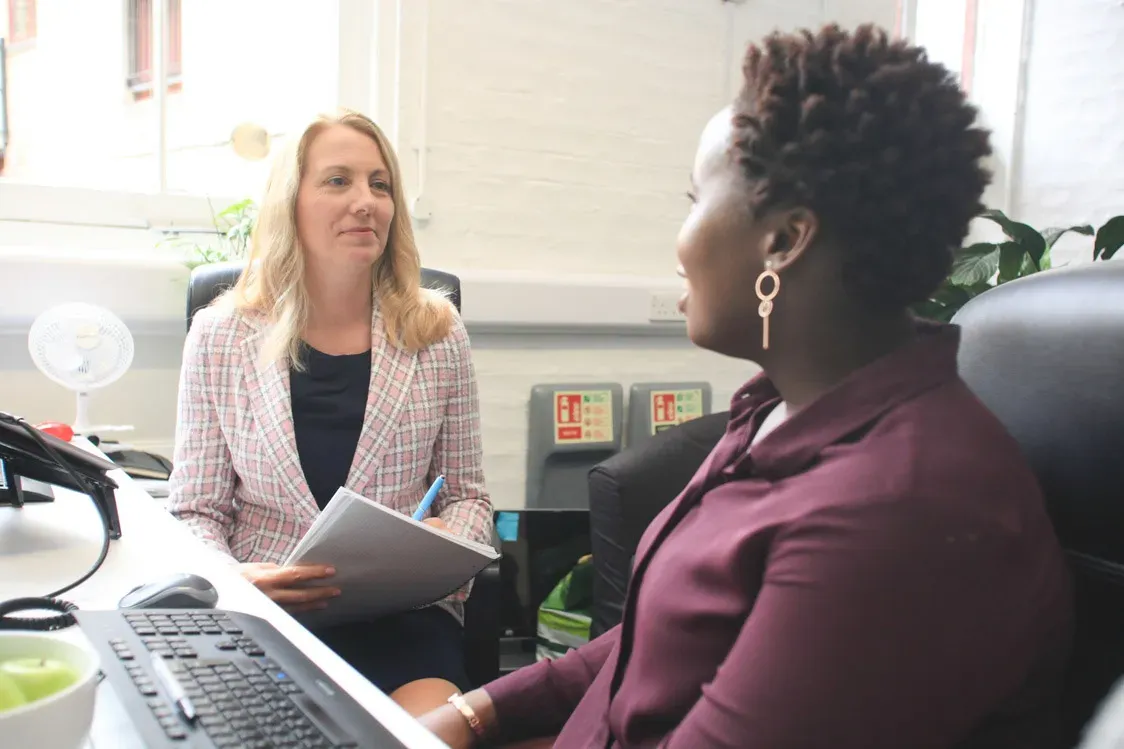
01 Listen
We listen to your employee needs, to find any possible triggers that may exacerbate their discomfort
 Arrange A Call Now
Every engagement follows the same four steps, whether we're supporting one employee or a workforce spread across several countries. Each step applies our biopsychosocial approach and is adapted for neurodivergent employees, so our recommendations fit the person as well as the workstation.
We listen to your employee needs, to find any possible triggers that may exacerbate their discomfort

We observe your employee's workstation, posture, behaviours and workflow in real context to ensure we capture all areas of risk

We identify findings using the biopsychosocial approach, DSE duties, and the Equality Act (2010)
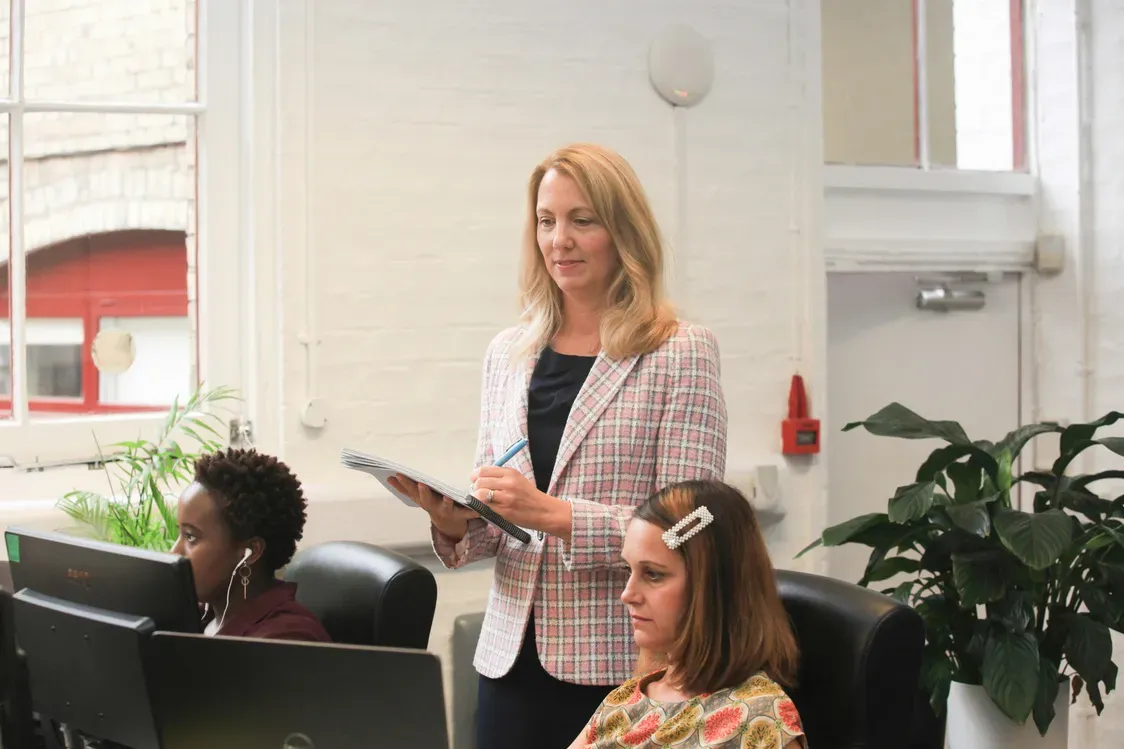
We resolve your employee's pain and discomfort through signposting, educational materials, equipment guidance, practical recommendations, strategies, and quick wins
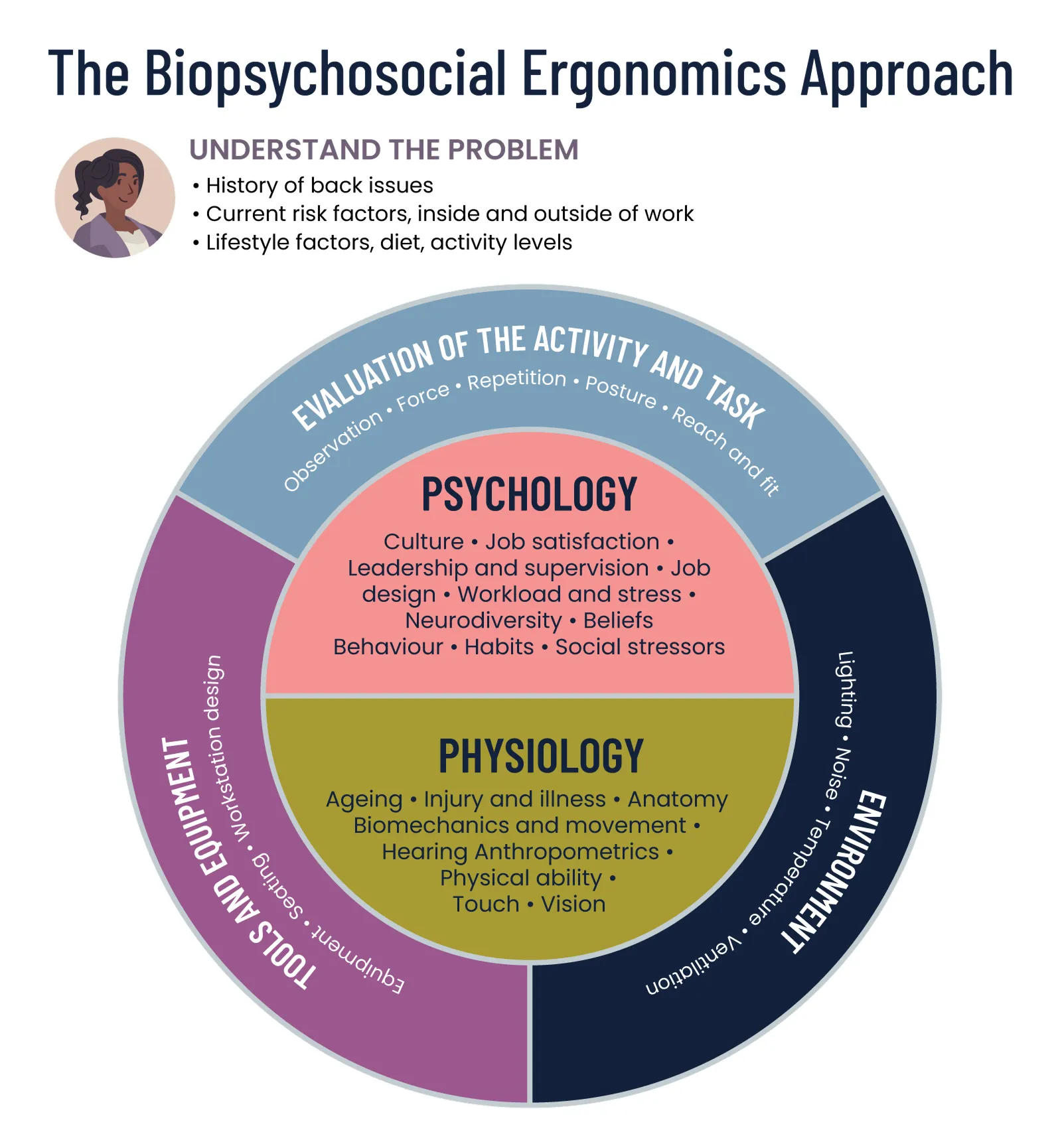
In all our services we use the Biopsychosocial approach to consider the body, the mind, and the way people actually work, not just the equipment in front of them.
An individual’s musculoskeletal health history and their anthropometrics (body measurements)
People’s beliefs, behaviours and past experiences all affect their mental health and physical wellbeing
The way someone interacts with others, their social support network both in and out of work, their culture and education all influence outcomes
Many people living with back pain have struggled for years, unsure where to turn or which products might help. Without the right support, they become stuck in a cycle of pain.
That is why we take a holistic, biopsychosocial approach. Our bespoke advice addresses the physical and psychological causes of pain and discomfort together, so you and your team get support that fits the way you actually work.
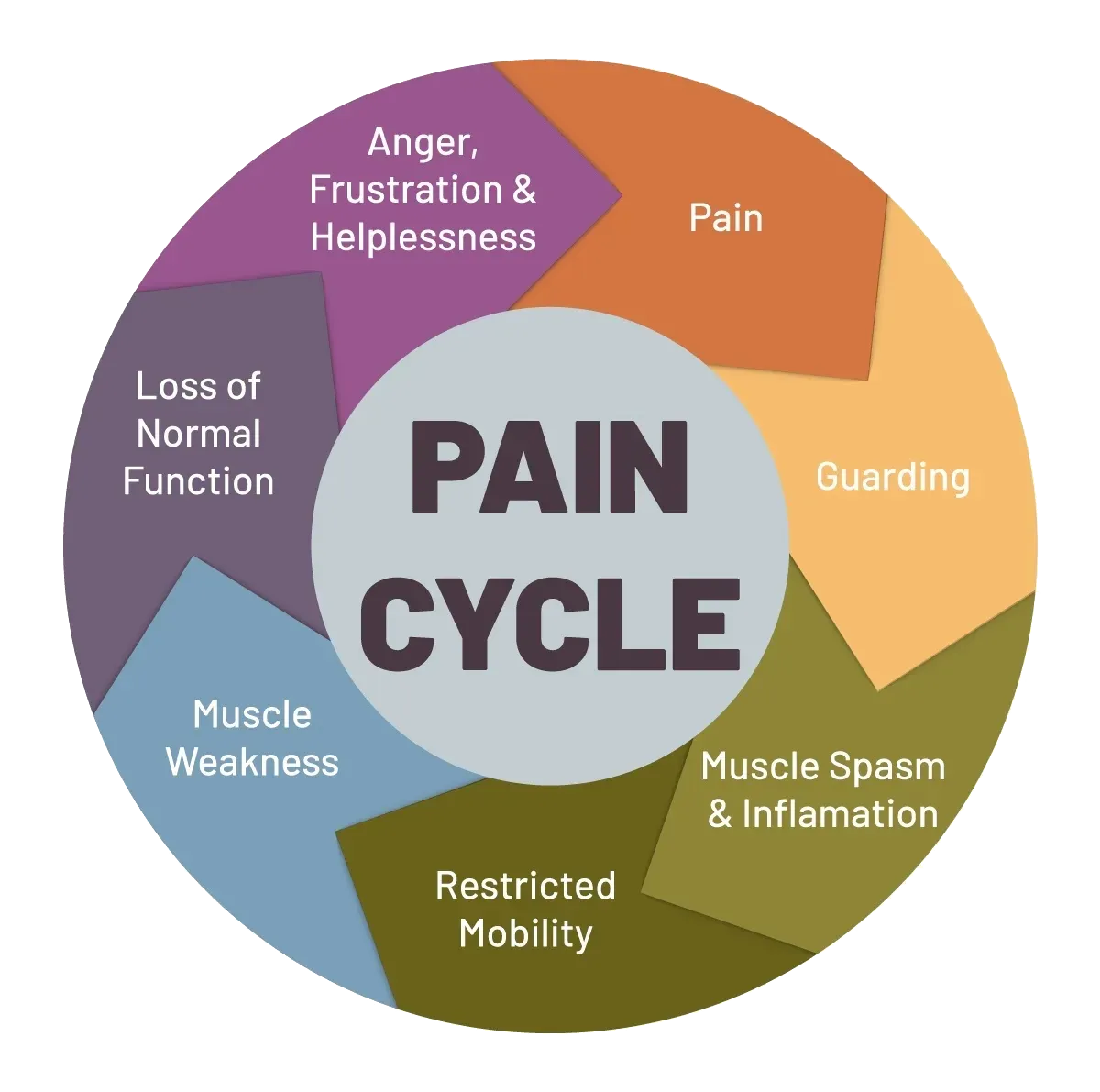
This approach helps to identify any particular barriers to an individual’s recovery. Pain and discomfort can be exacerbated by various factors, such as bad posture, injury, lack of exercise, illness, a musculoskeletal disorder and stress.
It is therefore optimal to address these issues and refer to other specialists, such as physiotherapists. We encourage our clients to take a proactive, positive route to the ongoing management and reduction of their symptoms.
We do this through:
Assessment of clients’ other routes to recovery include:

Eighteen months off work after fourteen years of recommendations nobody actioned. We assessed him in the vehicle rather than at a desk, then built a multidisciplinary group to redesign the pod around his measurements. The change benefited the whole team, not just him.
Read the case study: The Media Van Editor
Multiple chronic conditions, and adjustments that existed on paper only. We assessed her whole working day: office, teaching rooms and the routes between them. Equipment was matched to her in context, and the plan covered timetabling and room allocation, not just kit.
Read the case study: The Senior Lecturer
A Parkinson's diagnosis, a desk-based role and standard-issue equipment. We re-specified his seating to his real sitting height, sourced technology to optimise his workflow, ergonomics equipment helped share the load across both hands, and staged short, medium and long-term recommendations so support keeps pace with a progressive condition.
Read the case study: The Investment Officer
Undiagnosed ADHD, anxiety, sciatica, menopause and fatigue, each one feeding the next. Coaching, an ergonomics assessment and reasonable adjustments, planned together rather than one at a time. Coaching, an ergonomics assessment and reasonable adjustments together broke the cycle and restored control over the working day.
Read the case study: The Compounding CycleTell us what's happening and we'll tell you what we'd do about it. Most engagements begin with a short call: no charge, no obligation, and a straight answer on whether we're the right fit for the case in front of you.